The One Place You Should Never Store Potatoes
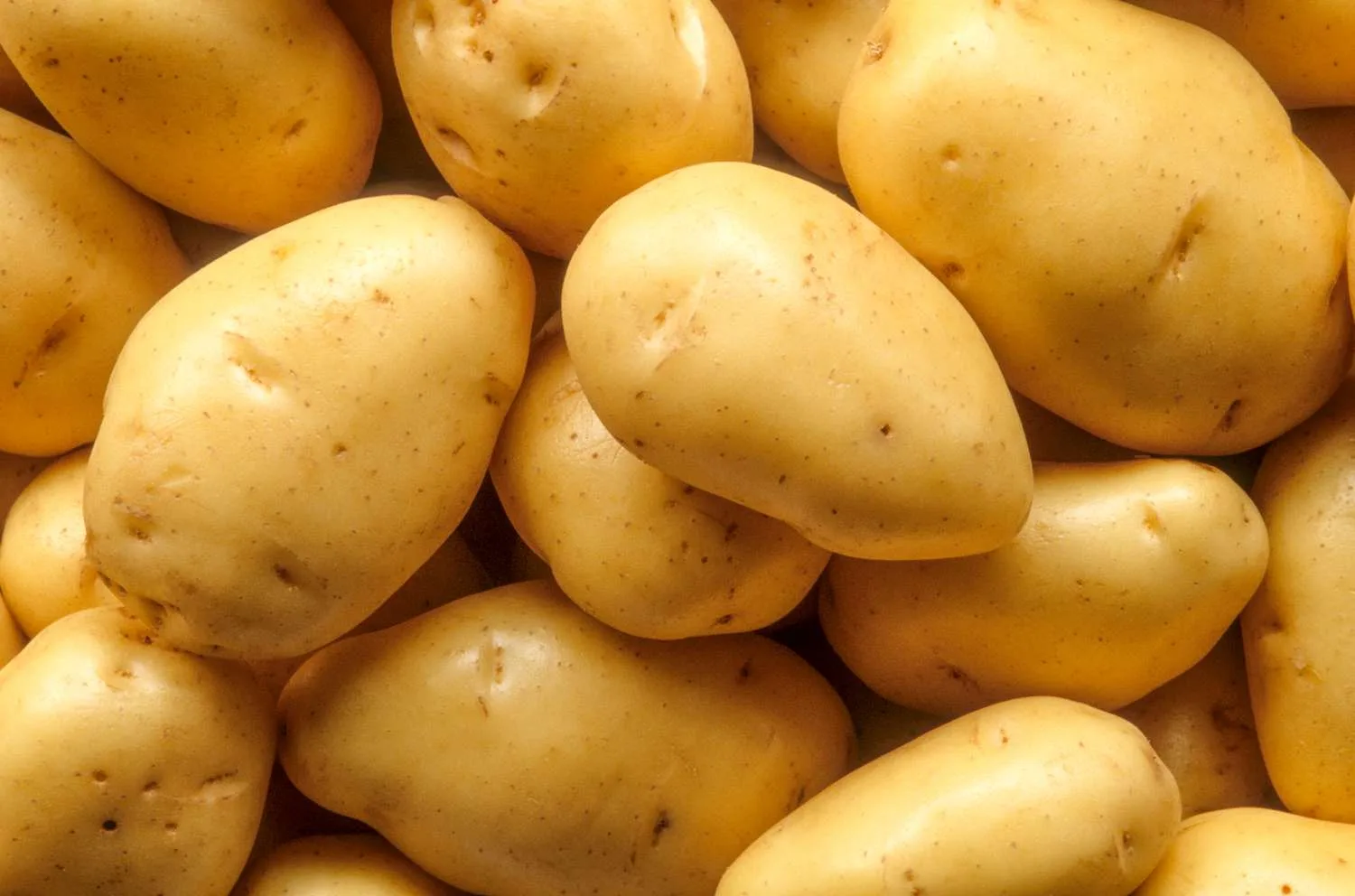
Aim for somewhere cooler than the average kitchen, but warmer than the fridge. My mom used to store potatoes in a cool, dark spot in a low kitchen cabinet. As a kitchen-savvy woman who owned a restaurant and was seemingly always cooking for my three siblings and me, she naturally taught me a lot about food. This was just one of the many kitchen habits I picked up from watching her. After moving out, I followed the same practices in my own apartment and eventually in my house, without ever thinking much about why. It wasn’t until I went to culinary school that I understood the reason for it. While potatoes benefit from being kept cool, they aren’t like most of the other vegetables brought home and put in the fridge. For potatoes, the refrigerator takes things a little too far. Why You Shouldn’t Store Potatoes in the Fridge Most produce is refrigerated to help them last longer, so why not potatoes? They won’t spoil right away, but just like me, they don’t handle the cold very well.Fridge temperaturesusually hover between 35°F and 38°F (1.7°C to 3.3°C). These colder temps can trigger a chemical process in potatoes called cold-induced sweetening, which converts the potatoes’ natural starches into sugars. This can make potatoes taste faintly sweet—not what you’re after inmashed potatoesorhome fries. The texture can turn a little gritty or grainy, too. Keeping them cool but out of the cold gives them a better starting point for more even cooking and browning. Fridge-stored potatoes brown faster when you cook them, so when you fry, roast, or bake potatoes, they can darken more quickly on the outside. Those extra sugars also raise levels of the compound acrylamide, which forms when starchy foods are cooked at high heat. Given its potential health implications
Aim for somewhere cooler than the average kitchen, but warmer than the fridge.