Never Store Frozen Bananas This Way-It Ruins Their Texture, a Baker Says
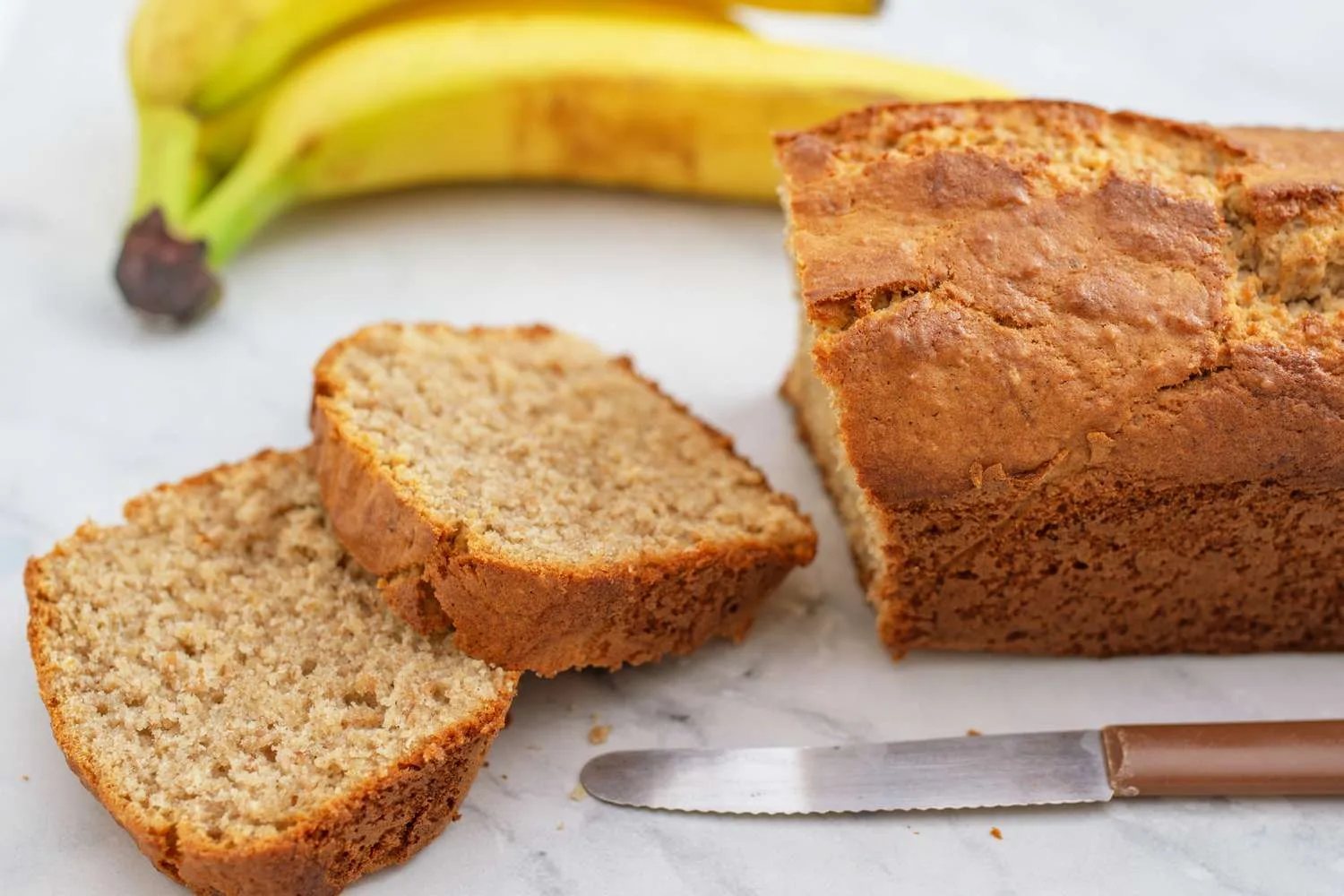
Remember these two important things. Laura Scherb is a Chicagoland-based food photographer, stylist, and writer. Her food and beverage photography, styling, and writing have been featured on The FeedFeed, The TODAY Show, Esquire, The Spruce Eats, Eater, Edible Chicago, Chicago Reader, and Simply Recipes, as well as in the recently published cookbook Enzo’s Kitchen and other forthcoming cookbooks. Storing fruits to use later inbaked goodsis an art, and one that has big consequences for the finished product if you don’t know how to do it correctly. Though bananas seem like an easy, low-maintenance fruit overall (I mean, they come with their own wrappers!), there’s specific methods for storing them in the freezer that can help you bake the best treats. Jessica Ellington, a Chicago-based pastry chef and owner ofSweet Bee, who does recipe development and collaboration, gave me the insider track on frozen bananas. “The great thing about frozen bananas is that they act just like fresh bananas in a baking recipe. It’s less food waste and zero compromises,” she says. Here are her tips for how to store bananas in the freezer so you can bake your heart out. Avoid Storing Bananas That Aren’t Ripe The first common mistake that Ellington sees people make is attempting to freeze bananas before they’re fully ripe. Bananas are very different fruits when they’re underripe and ripe. When bananas are truly ripe, they’re more likely to be brown than yellow, she says. When bananas ripen and get spots or turn brown, this means that the starches in the fruit have been converted into simple sugars. Waiting until yourbananas are ripeis key, both for freezing for future bakingandfor baking right now. When bananas are ripe, they “create baked goods that are moist, tender, and have great banana flavor,” says Ellington. But before the starches
Remember these two important things.
Storage and compute hardware moves in long arcs — capacity doublings, interface refreshes, and slow but steady efficiency gains. The interesting stories usually sit at the intersection of those arcs, where a single product reshapes what a build or a rack is expected to do.
For enthusiasts and IT buyers alike, the spec sheet is only half the picture. Endurance ratings, thermal behavior under sustained load, and the manufacturer’s track record on firmware updates often matter more than the marketing numbers on the box.
When a new capacity or speed tier arrives, the previous tier usually drops in price within a quarter. If you do not need the bleeding edge, that lag is where the value lives.