I Tested 2 Ways To Marinate Chicken-One Made the Chicken More Flavorful
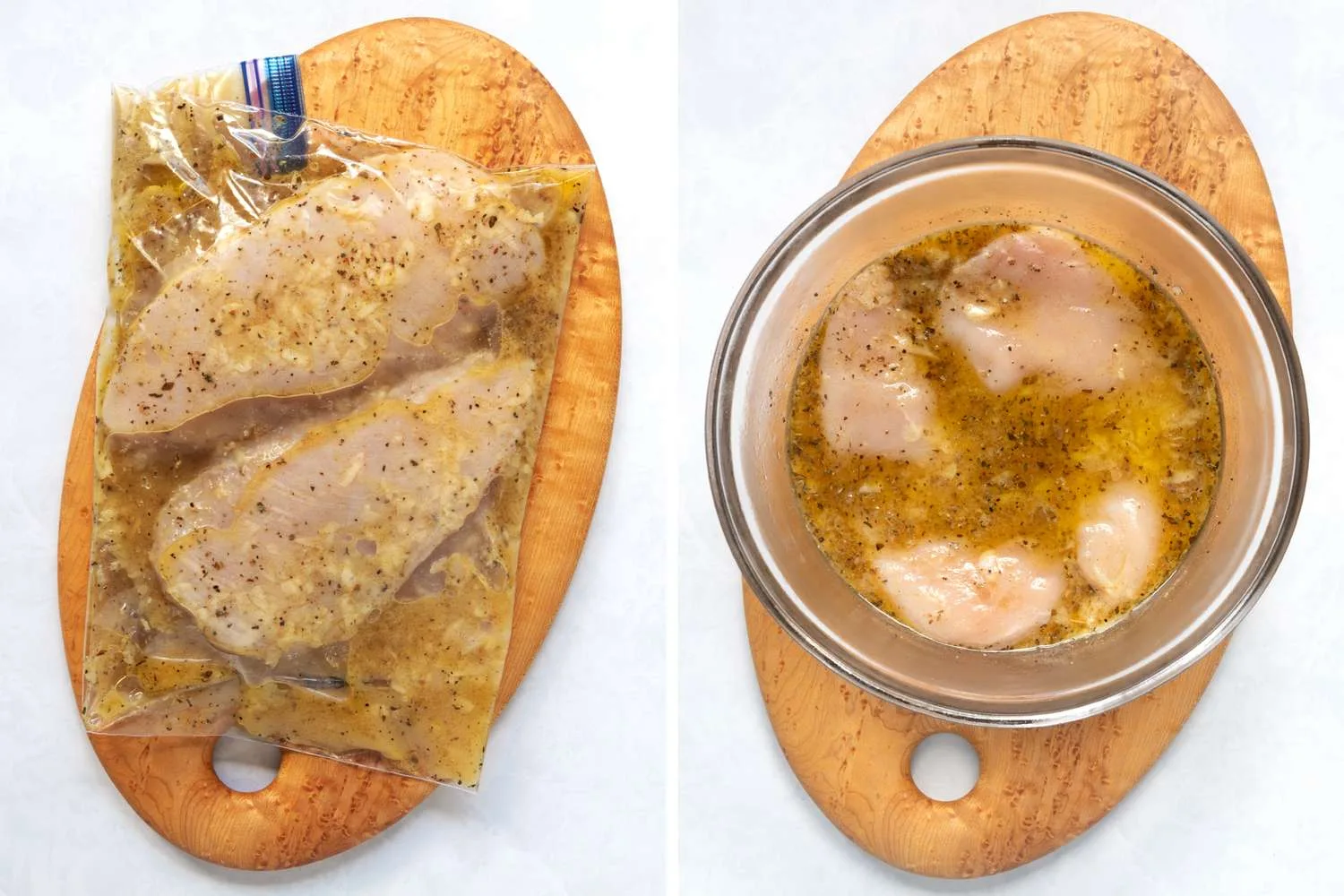
And it takes just one hour. Boneless chicken breast is the workhorse (or work-chicken!) of weeknight dinners. It’s a cut of meat that just about everyone loves, and whose primary purpose is to soak up the flavors of the sauces, spices, and aromatics it’s prepared with. Azesty chicken marinadeis one way to inject lots of flavor into the meat, but only if it’s done the right way. Marinate chicken breast for too long and the acids in the liquid will make the meat mushy. However, a shorter soak in marinade is often not enough to penetrate past the surface. What I want frommarinated chickenbreast is a tender and juicy texture once cooked, and with lots of flavor from that marinade. I typically go about the process in one of two ways: place the meat and liquid marinade into a bowl or seal them inside a resealable plastic bag. Today I decided to find out which one does the better job. How I Tested the Marinated Chicken Breast Methods I tested each marinating method with a regular package of boneless, skinless chicken; they each contained two breasts that together weighed about 1 1/2 pounds. For the marinade, I used thisrecipe from Serious Eatsfor a mojo-style marinade. With orange, lemon, and lime juices, plus garlic, spices, and olive oil, this recipe has thechef-approved marinade balanceof acidity, fat, and seasonings. There’s varying guidance out there on the best length of time to marinate boneless chicken breast, ranging anywhere from 30 minutes to three hours. Because I didn’t want the acidic ingredients to go too far and make the texture of the meat mushy, I opted to marinate the chicken for one hour. For both tests, the chicken breasts were thenbaked in the oven. Method 1: In a Bowl I mixed the marinade ingredients
And it takes just one hour.