Never Buy Rotisserie Chicken if the Label Doesn't Tell You This
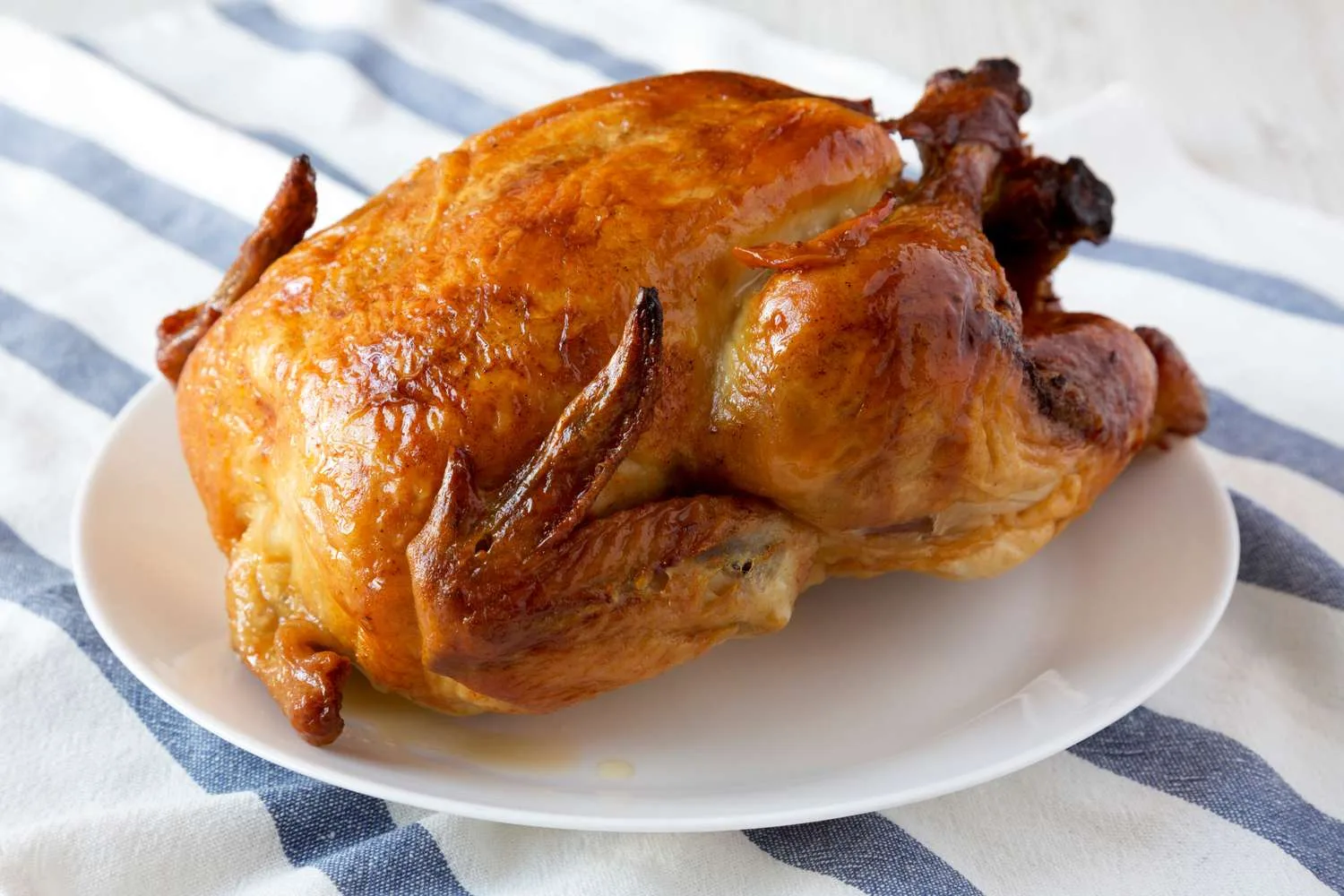
A food safety expert shares what to look for on the packaging. Grabbing a rotisserie chicken has become second nature during my weekly grocery shop. It’s affordable and can be turned into multiplequick dinnerswithout much effort. Before choosing a , I check forvisual cuesthat it’s freshly cooked. But I usually focus on the chicken’s appearance rather than the label, which means I’ve been overlooking essential food safety information. The most vital piece of information when choosing a rotisserie chicken is the time stamp, according toDr. Donald Schaffner, a food microbiology professor, chair of the Department of Food Science at Rutgers University, and co-host of the podcastRisky or Not. That stamp indicates when the came out of the oven and was set out for sale. “When it comes to managing microbial risk, it’s all about time and temperature,” says Dr. Schaffner. “From a food safety and from a practical standpoint, you’re going to want to go for the freshest one.” Why the Time Stamp Is Important Costco has a well-knowntwo-hour rotisserie chicken policy, in which the store replaces its rotisserie chickens every two hours. However, that’s to maintain its quality standard, not to comply with food safety regulations. Many stores keep rotisserie chickens in a heated area, and as long as that temperature is above 135°F, the chickens could theoretically stay out all day. Dr. Schaffner explains that a store doesn’t even have to keep the chickens heated if time is monitored instead. “If you’re using time as a public health control, you can basically hold anything out of temperature control for four hours, after which it has to be consumed or discarded,” explains Dr. Schaffner. But the time stamp still matters for very practical reasons. First, there is no way to be certain that the store’s heated area is
A food safety expert shares what to look for on the packaging.